Manchester Electrician & EICR Testing for Landlords & Property Managers
NICEIC approved electricians in Manchester providing fast, reliable EICR testing, electrical compliance, remedial works and emergency electrician callouts across Greater Manchester. Trusted by 60+ estate agents and property managers - keeping your tenants safe and your properties compliant.
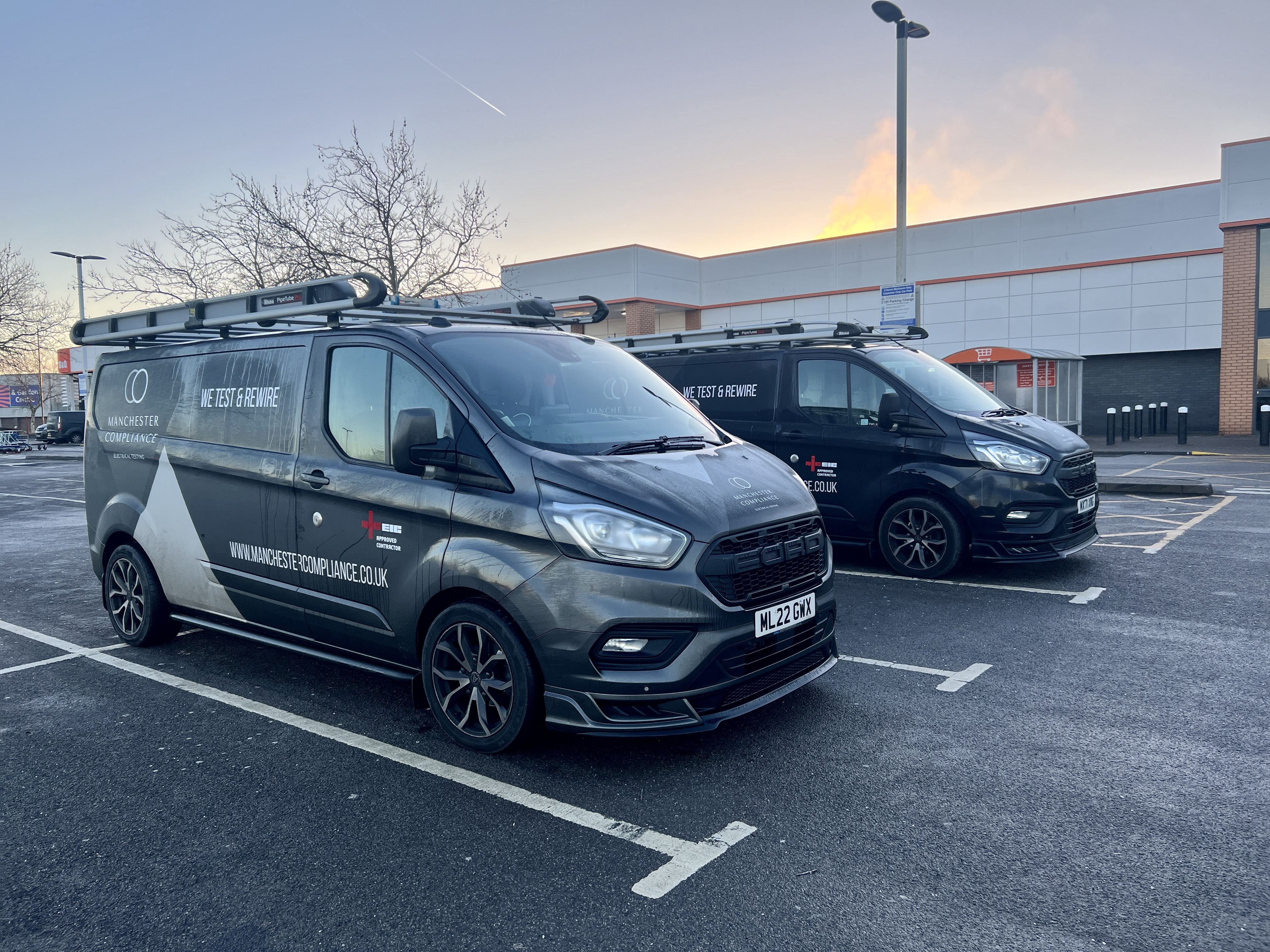
Manchester Electrician Services - EICR, Compliance & Testing
From EICR testing in Manchester to emergency electrician callouts, electrical compliance to fire safety - our qualified Manchester electricians provide every service your properties need under one roof.
EICR Manchester - Fixed Wire Testing
Full EICR Electrical Installation Condition Reports completed by qualified Manchester electricians to NICEIC standards. Manchester EICR testing required every 5 years for all rental properties.
ComplianceRemedial Works
Expert electrician rectification of all electrical faults identified in EICR reports. Consumer unit upgrades, circuit repairs, earthing and bonding corrections.
RepairsReactive Works & Callouts
Same-day and next-day emergency electrician callouts across Manchester for property managers. Fuse board trips, power outages, faulty sockets, lighting failures.
EmergencyLandlord Appliance Replacements
Supply and installation of cookers, fans, extractor units, heaters and other landlord-supplied appliances. Fast turnaround to minimise tenant disruption.
InstallationsGas Safety Testing
Annual Gas Safety Certificates (CP12) for landlords. Mandatory for all rental properties with gas appliances. We coordinate gas and electrical compliance together.
Gas SafetyPAT Testing
Portable Appliance Testing for landlord-supplied equipment. Now a legal requirement for social housing. We test, label and certify all portable electrical appliances.
ComplianceEPC - Energy Performance Certificates
Energy Performance Certificates required for all rental properties. We assess energy efficiency ratings and provide recommendations to improve your property’s EPC band.
EnergyEmergency Lighting Testing
Monthly functional tests and annual 3-hour duration tests to BS 5266 standards. Essential for all blocks of flats, communal areas and HMOs.
Fire SafetyFire Alarm Testing
Installation, testing and maintenance of fire alarm systems, smoke detectors and CO alarms. Compliance with the Regulatory Reform (Fire Safety) Order 2005.
Fire SafetyIndustrial Testing
Electrical testing and compliance for industrial premises including factories, warehouses and distribution centres. Three-phase testing and full fixed wire inspection.
IndustrialCommercial Testing
EICR and electrical compliance for offices, retail units, restaurants and commercial premises. Flexible scheduling to minimise business disruption.
CommercialHMO Fire Risk Assessment
Comprehensive fire risk assessments for Houses in Multiple Occupation. Assessment of escape routes, fire doors, detection systems and emergency lighting.
Fire SafetyManchester's Electricians - Built for Agents. Designed for Speed.
We understand the pressures property managers face. That's why our Manchester electricians have built our entire operation around delivering fast, reliable EICR testing and electrical compliance services.
Same-Day Response
Reactive callouts responded to within hours, not days. Your tenants get help fast.
Rapid EICR Certificate Delivery
Manchester EICR certificates and reports issued the same day. Digital copies sent direct to your inbox.
Live Job Tracking
Full visibility through our Eworks management system. Track quotes, jobs and invoices in real time.
One Electrician, Every Service
EICR testing, remedials, reactive callouts, emergency lighting, fire alarms, gas, EPC - all from one trusted team.
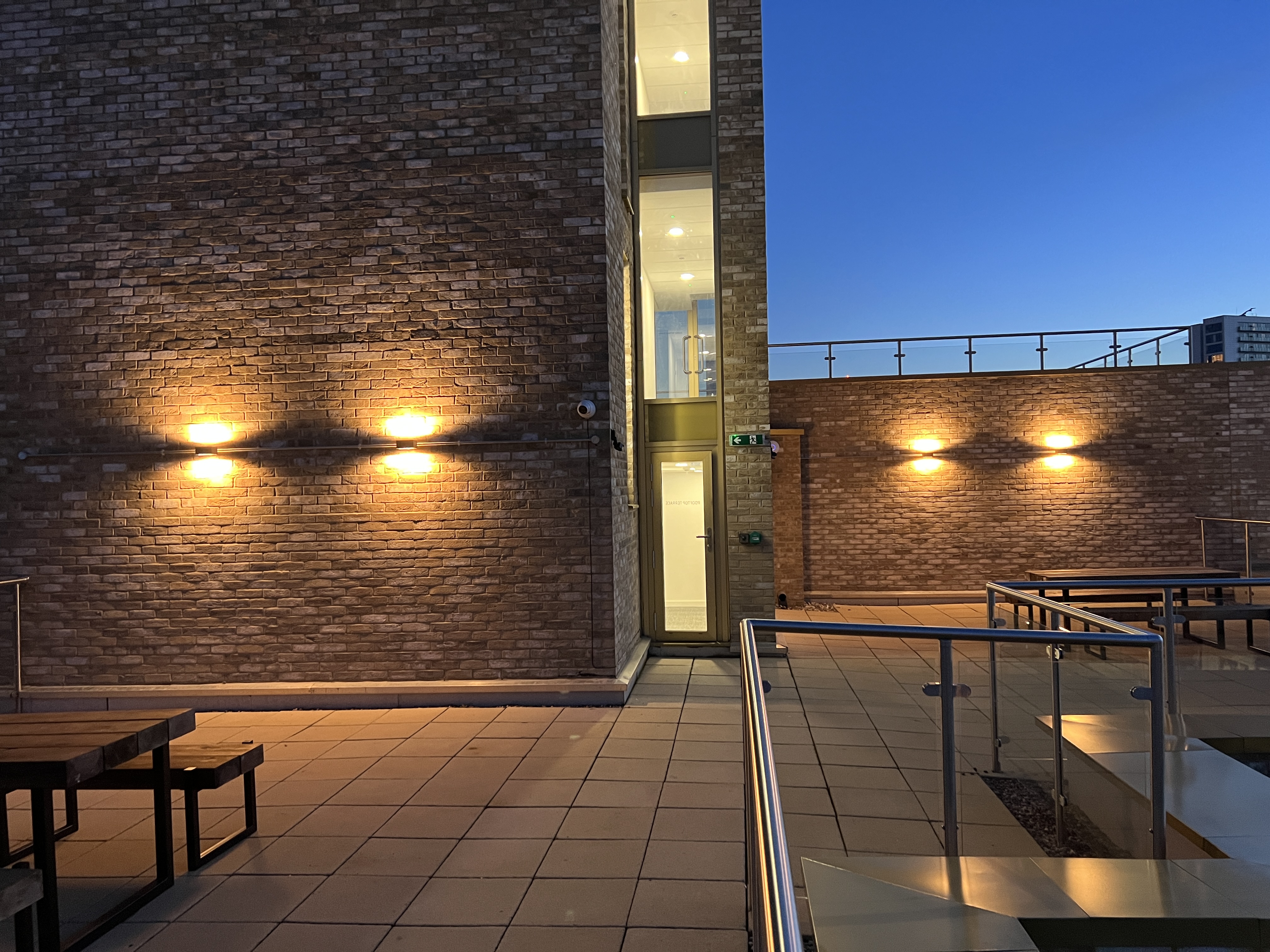
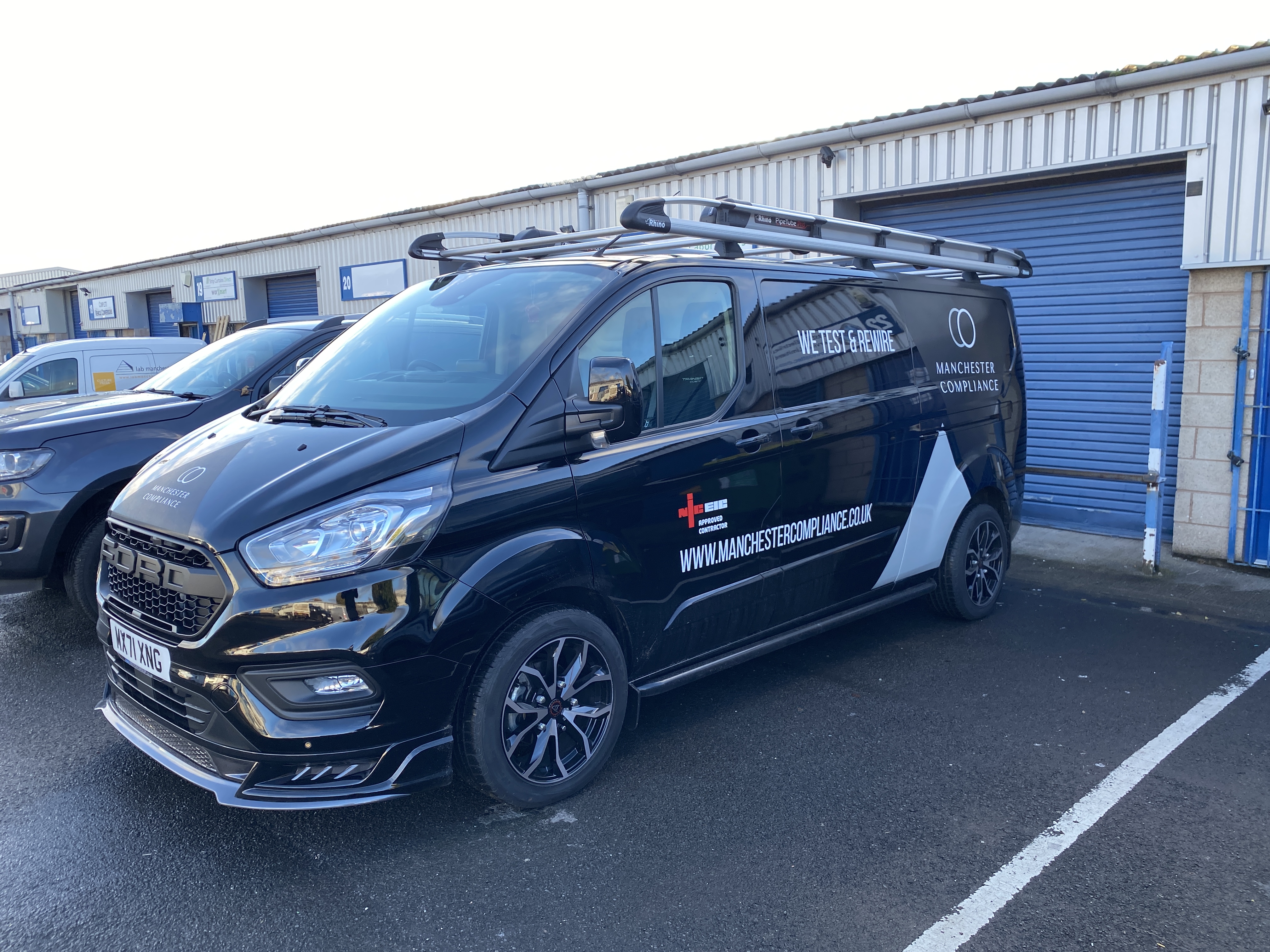
Manchester's Trusted Electricians & EICR Compliance Partner
Manchester Compliance Ltd was established in 2020, the same year EICR regulations became mandatory for the private rented sector. Since then, we've grown to become one of the leading EICR testing specialists in Manchester and the North West.
With engineers operating daily across Manchester, Liverpool and the wider region, we serve over 60 estate agents, property managers, block managers and facilities management companies.
Manchester Compliance Ltd is an electrical compliance company based in Manchester, Greater Manchester. Founded in 2020, the company is NICEIC approved and provides 12 specialist electrical services including EICR testing, house rewiring, remedial works, emergency lighting, fire alarm testing, PAT testing, gas safety certificates, and EPC assessments. The company serves over 60 estate agents and property managers across Greater Manchester and the North West of England. Registered in England (Company Number 12899503) with VAT registration 364159878. Led by founder Liam Smith, operating from Ashton-under-Lyne, Manchester.
Trusted Electricians for Property Managers Across Manchester
Don't just take our word for it. Here's what our clients say about our Manchester electricians and EICR services.
“Manchester Compliance is a great partner for our property acquisitions team, with detailed reports returning in a very timely manner covering all electrical issues and flags. They are an integral partner to our National Homelessness Property Fund.”
“Manchester Compliance are highly skilled professionals in the field of all things electrical, and his company offers expert, highly responsive and value-for-money services across our Block Management portfolio. Special thanks to Paul also the Contracts Manager who is on the ball.”
“We had a home electrical safety check done, then follow up work. Communication was very prompt and clear. The appointment time was kept well and estimated work time also correct. The engineer quietly worked away, did the work well and explained clearly what I needed to know.”
Frequently Asked Questions About Electrical Compliance in Manchester
Quick answers to the most common questions from landlords, property managers and homeowners.
What does EICR stand for?
+
EICR stands for Electrical Installation Condition Report. It is a formal inspection and test of the fixed electrical wiring in a property, carried out by a qualified electrician to BS 7671 (18th Edition) standards.
Is an EICR a legal requirement for landlords in Manchester?
+
Yes. Under the Electrical Safety Standards in the Private Rented Sector (England) Regulations 2020, all private landlords must have a valid EICR. It must be completed before new tenancies begin and renewed every 5 years. Failure to comply can result in fines of up to £30,000.
How much does an EICR cost in Manchester?
+
EICR prices start from £120 + VAT for a 1-2 bedroom property, £150 + VAT for a 3 bedroom property, and from £180 + VAT for 4+ bedroom properties and HMOs. Portfolio discounts are available.
What happens if my EICR fails?
+
If your EICR identifies C1 or C2 faults, the result will be unsatisfactory. You have 28 days to complete remedial works and have the installation retested. We provide a clear quote, complete all repairs in-house, and issue an updated certificate.
How long does a house rewire take?
+
At Manchester Compliance, a full house rewire is completed in just 1 day. Our specialist team completes first fix and second fix on the same day. A plasterer arrives the following day. Traditional electricians typically take 7-10 days.
How much does a house rewire cost?
+
House rewire prices start from £3,500 for a 2 bedroom property, from £4,500 for a 3 bedroom, and from £5,500 for 4+ bedrooms. All prices include plastering, full certification and a 6-year NICEIC Platinum Promise guarantee.
Do you offer EICR testing for apartment blocks?
+
Yes. We specialise in Build to Rent EICR compliance for apartment blocks. We provide pre-planned testing programmes, use management key access to achieve zero no-access rates, and complete up to 8 apartment EICRs per day.
Do I need an annual gas safety certificate?
+
Yes. Under the Gas Safety (Installation and Use) Regulations 1998, landlords must have a Gas Safety Certificate (CP12) for every gas appliance, renewed annually. We provide gas safety certificates across Greater Manchester.
From the Manchester Compliance Blog
Expert advice on EICR regulations, electrical compliance updates and property management tips from our Manchester electricians.
Thank You to Our Team: A Busy Start to 2026
A huge thank you to our electricians and office staff for an incredible start to 2026.
Read More →Customer Service at Manchester Compliance
Outstanding customer service is at the heart of everything we do.
Read More →EICR Training and Ongoing CPD for Engineers
Why ongoing training matters and how we keep our engineers fully qualified.
Read More →Electricians Covering Greater Manchester & the North West
Our electricians operate daily providing EICR testing across Manchester, Salford, Bolton, Stockport, Liverpool and the wider North West region.
Need a Manchester Electrician? We're Ready.
Whether it's an EICR in Manchester, an emergency electrician callout, or a full electrical compliance package - speak to our team today.
0161 706 1360Contact Your Manchester Electricians
Ready to discuss your electrical compliance needs? Whether you manage 5 properties or 500, we'll tailor our service to fit your portfolio.
Phone
Response Time
Same-day response on all enquiries
Office
Serving Greater Manchester & North West
Send Us an Email
Tell us about your property portfolio, compliance requirements, or book a reactive callout. We respond the same day.
✉ Info@manchestercompliance.co.uk